After returning from my final overseas deployment, I came home carrying two yellow sweaters and a heart full of hope. More than anything, I longed to finally hold my newborn twin daughters in my arms—children I had only ever seen in a single photograph.
I had deliberately hidden my combat injury and the prosthetic on my leg from my wife, Mara. I didn’t want to burden her during such a fragile pregnancy. Only my best friend, Mark, knew the truth—or so I believed.
But the homecoming I had imagined for four long months turned into a nightmare.
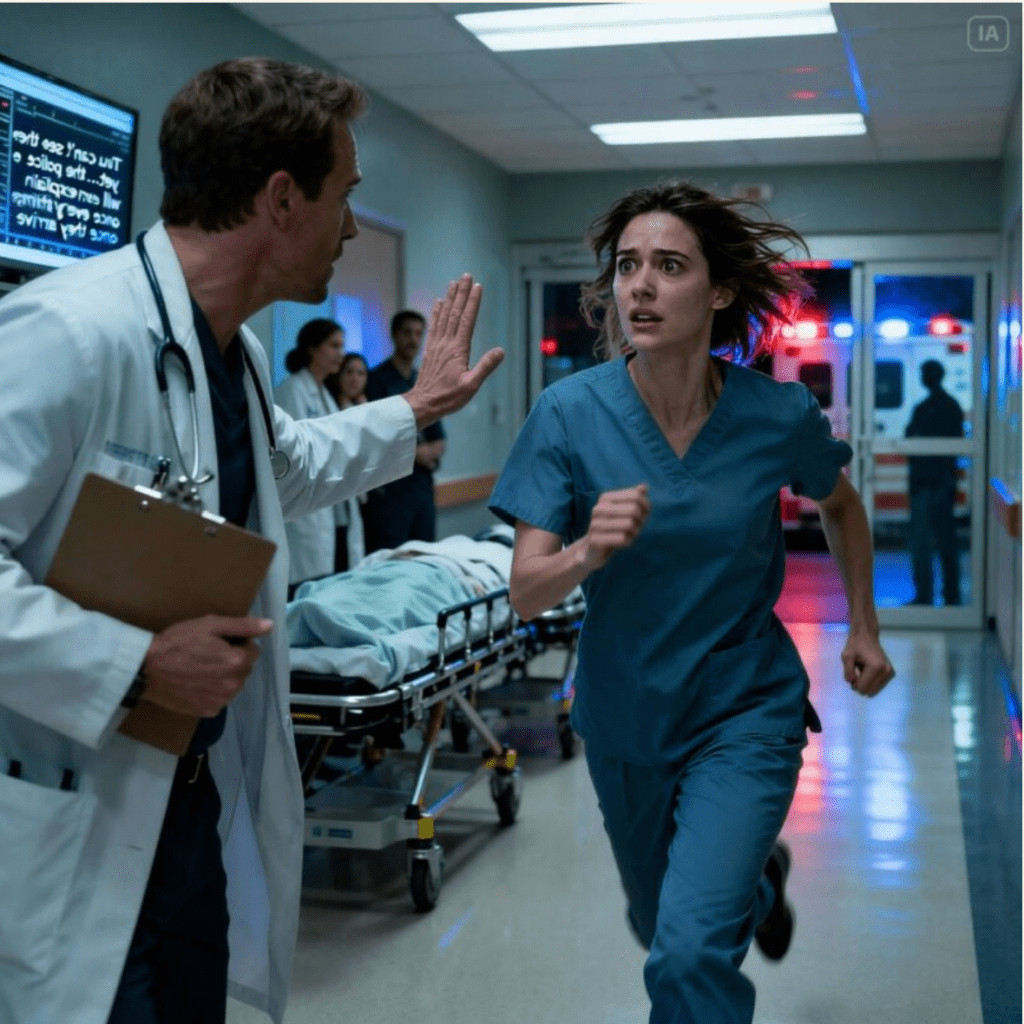
When I opened the door, there was no warmth, no laughter, no life. Only darkness and a suffocating silence. The house felt emptied, as if even time had been stripped away. In the doorway of the nursery, my mother sat crying, her hands trembling in her lap.
The crib was empty.
Mara was gone. And so were the twins.
On the kitchen table lay a short, cruel note. She wrote that she didn’t want to “waste her life beside a broken man.” She had left with Mark.
In that moment, something inside me broke beyond repair.
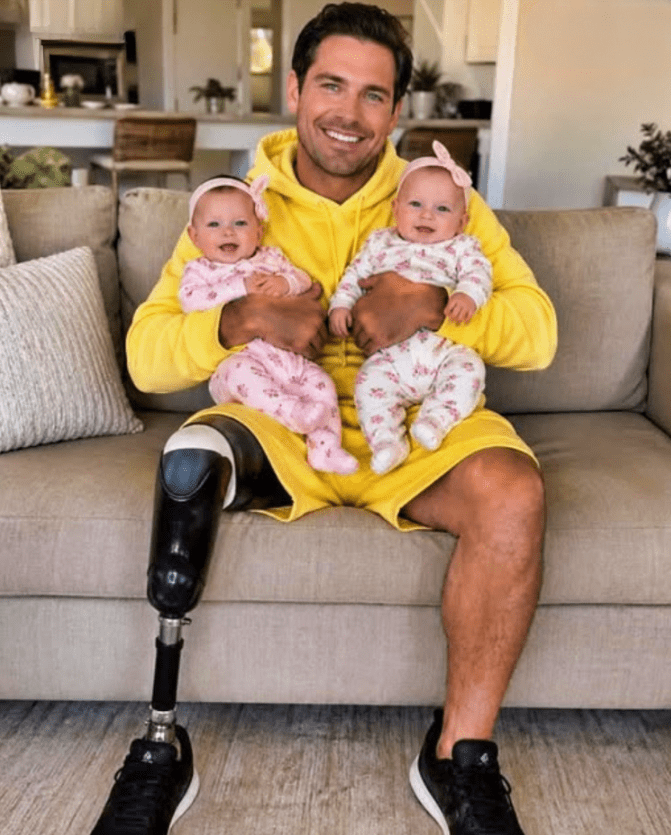
The days that followed blurred into a heavy, oppressive pain. I often sat on the nursery floor, the silence pressing down on me like a physical weight. The only moments I truly felt alive were when I held my daughters in my arms. I promised them they would never be abandoned again.
The years that followed reshaped me slowly but relentlessly. I turned pain into structure and loss into purpose. After the girls fell asleep, I would sit at the kitchen table at night, sketching mechanisms, calculations, and ideas. My injury didn’t stop me—it forced me to think differently.
From a personal necessity, a new type of prosthetic mechanism was born—lighter, more flexible, closer to natural movement. What began as a way to survive became a patent, then a company, and eventually a technological success.
We moved to a new city and rebuilt our lives from nothing. I became father, engineer, and entrepreneur all at once. I did not seek fame or revenge—the passage of time had taught me that life does not wait for either.
But fate has its own irony.
One day, my company identified a property as a potential site for a new project. When I saw the address, I froze. It was a villa registered under Mara and Mark’s names.
I went there myself.
The scene was chaos. Broken furniture, scattered papers, raised voices, and the remains of a collapsing life filled the space. Mara and Mark stood on the veranda arguing bitterly, exhausted and hollow, crushed by the consequences of their own choices.
They had become exactly what Mara once feared: broken people.
When she saw me, she fell silent. Her eyes moved over me—my calm, my strength, the life I had rebuilt through years of effort.
There was no anger in me. Only clarity.
She begged to see the daughters.
I listened without interrupting, then replied calmly but firmly: the girls no longer waited for her. They had learned to live without her—because I had made sure they could.
I gave her no comfort and no second chance. I took back the keys to the property and walked away. Her voice behind me no longer reached me.
The villa was not left to decay.
I transformed it into a rehabilitation center for wounded veterans—a place for healing, recovery, and rebuilding lives. Workshops, therapy rooms, and a garden filled the space.
That evening, I returned home. My mother was there, and my daughters’ laughter filled the house.
And for the first time in a long time, I no longer felt the weight of the past.
Only the quiet certainty that my life, despite every fracture, was still moving forward.